Issues
Clean water is essential for healthy communities.
Many waterways face rising threats, from pollution and harmful algal blooms to aging infrastructure and climate‑driven changes.
How we help
Vetaclear tracks interconnected water quality issues that threaten ecosystems, public health, and local economies. We make water quality data transparent, accessible, and actionable. Our mission is simple: helping communities protect waterways, public health, and ecosystems through trustworthy, real‑time information.
What We Track
Harmful Algal Blooms (HABs)
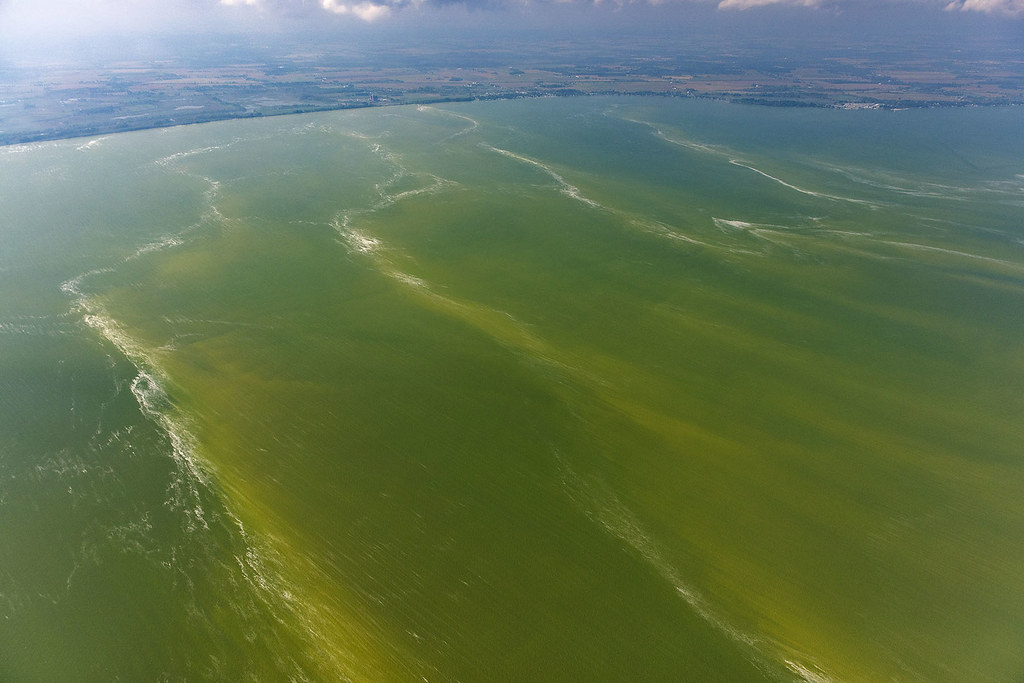
Harmful algal blooms can produce toxins that contaminate drinking water, kill aquatic life, and threaten public health. Non-toxic algae can block sunlight and clog gills, hurting fish populations.

Hypoxia and “Dead Zones”
Excess nutrients and algal decay can create low-oxygen zones where fish and invertebrates cannot survive. These dead zones disrupt food webs, damage fisheries, and reduce biodiversity.
Climate amplification
As ice melts, oceans absorb more sunlight, and warmer waters release more moisture and greenhouse gases, worsening the overall warming cycle.

Impacts on Communities and Livelihoods
Water quality degradation directly affects people:
- Subsistence fishing communities face contaminated food sources
- Recreational waters become unsafe or unusable
- Tourism declines when waterways are closed or visibly degraded
- Drinking water systems face costly treatment challenges

A Growing and Accelerating Problem
Climate change, rising water temperatures, and increased nutrient runoff are intensifying the frequency, duration, and severity of water quality events. Without continuous monitoring, many of these changes go undetected until impacts are severe.
Why Data Matters
Timely, transparent data changes outcomes.
Consistent monitoring allows communities, agencies, and researchers to:
- Detect problems earlier
- Respond more effectively
- Protect public health
- Make informed restoration and policy decisions
Vetaclear focuses on providing the data needed to move from reaction to prevention